Cessna Nose Gear Strut Assembly: General Aviation Steering and Support System
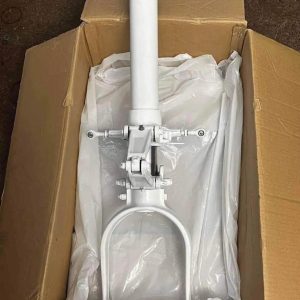
The Cessna Nose Gear Strut Assembly provides structural support, shock-management capability, and ground-handling stability for an appropriately verified Cessna aircraft installation.
The Cessna Nose Landing Gear Strut, Cessna Nose Gear Assembly, Cessna Landing Gear Strut, and Cessna Nose Strut descriptions identify closely related searches for the aircraft’s forward landing-gear structure.
Clear descriptions help buyers determine whether the listing includes a complete assembly, partial strut, housing, piston, fork, or related hardware.
A Cessna Nose Gear Shock Absorber may use fluid, gas pressure, mechanical movement, or another model-specific arrangement to manage landing and taxi loads.
Accurate product information supports responsible purchasing and reduces installation delays.
Key Details of an Aircraft Nose Strut
The assembly should be identified through its Cessna part number, casting or forging numbers, serial markings, aircraft applicability, dimensions, configuration, photographs, maintenance records, and available illustrated-parts information.
Included items may vary and can involve the strut body, piston, fork, axle, torque links, steering collar, seals, bearings, spacers, hardware, wheel, or tire.
How the Nose Gear Supports the Airframe
During taxiing, braking, turning, landing rollout, towing, and movement across surface irregularities, the assembly can experience vertical, lateral, and torsional forces.
Any evidence of previous impact should be disclosed and investigated.
Maintaining Controlled Compression
A shock strut is designed to compress and extend in a controlled manner as the aircraft encounters landing and ground loads.
Qualified maintenance supports proper Cessna Nose Gear Shock Absorber operation.
Understanding the Cessna Steering Strut Assembly
The steering system should be evaluated as a complete arrangement rather than through the strut alone.
Towing procedures should respect the aircraft’s steering limitations.
Aircraft Model and Serial-Range Compatibility
The phrase Cessna Nose Gear Strut Assembly should not be interpreted as compatibility with every Cessna aircraft.
The complete receiving-aircraft configuration should be reviewed before purchase.
Checking Chrome and Machined Surfaces
Paint, grease, or contamination should not conceal suspected defects.
The piston should move through the permitted range without binding, roughness, excessive side play, or abnormal resistance.
Understanding Strut Seal Maintenance
Repeated wiping without correcting the source does not constitute proper repair.
Any internal maintenance should be documented with parts and procedures used.
Protecting Cessna Landing Gear Components
Surface discoloration should be evaluated rather than dismissed automatically as cosmetic.
Fresh paint may improve appearance while concealing corrosion, filler, weld repairs, or damaged surfaces.
Evaluating a Used Cessna Nose Gear
The assembly should be inspected for cracks, bending, twisting, damaged welds, distorted mounting features, and impact marks.
A damaged assembly may also indicate concerns in the surrounding airframe structure.
Maintaining Wheel and Tire Geometry
The axle should remain dimensionally suitable, smooth, correctly secured, and free from severe wear or thread damage.
Incorrect wheel spacing or fork alignment can create uneven loading and interference.
Evaluating Wear and Side Play
Torque links and related pivot components help maintain alignment between moving portions of many nose gear strut designs.
Recurring shimmy should prompt inspection of the entire nose gear, wheel, tire, steering, balance, and attachment system.
Diagnosing Cessna Nose Gear Handling Concerns
The technician should inspect the complete nose gear and steering system before selecting corrective action.
Tire condition should be reviewed together with the strut, wheel, fork, axle, and steering components.
Checking Extension After Servicing
Qualified maintenance supports predictable Cessna Shock Strut Assembly operation.
Pressurized components require suitable precautions because uncontrolled release can cause injury or damage.
Overhaul and Reconditioning Considerations
The exact scope should be defined in the work records rather than assumed from the word overhauled.
Unauthorized welding, straightening, plating, machining, or hole enlargement can affect future eligibility.
Buying a Cessna Nose Gear Strut Assembly
Any uncertainty regarding fitment, impact history, corrosion, leakage, repairs, or package completeness should be resolved before shipment.
- Determine whether the wheel, tire, bearings, spacers, steering links, hardware, servicing fittings, records, and release documents are included.
- Review the history for hard landings, runway excursions, towing incidents, shimmy, tire failure, overload, storage exposure, freight damage, and structural repair.
- Report shipping damage, missing components, identification differences, undisclosed repairs, corrosion, leakage, or dimensional concerns promptly.
Protecting the Landing Gear Strut in Transit
Professional packaging helps preserve the condition of the Aircraft Nose Gear Strut.
The receiver should inspect the crate for impact, puncture, water exposure, or shifting before opening.
Protecting the Cessna Nose Strut
During storage, the strut should remain clean, dry, supported, labeled, and protected from impact, moisture, chemicals, dust, and uncontrolled handling.
Organized storage supports the commercial value of General Aviation Landing Gear Parts.
Completing Wheel and Strut Alignment
Professional installation protects the aircraft and Cessna Nose Gear Strut Assembly.
Hoses, wiring, fairings, controls, and nearby components should maintain suitable clearance get more info through the steering and compression ranges.
Authorized personnel should complete applicable maintenance records and return-to-service actions.
Maintaining the Cessna Nose Landing Gear
Cleaning should remove dirt and contaminants without damaging seals, polished surfaces, protective coatings, or identification markings.
Preventive care protects the aircraft, occupants, and landing-gear components.
Commercial Value of a Cessna Nose Gear Assembly
Clean paint may improve presentation but does not replace structural, dimensional, and functional evaluation.
Buyers should compare complete and documented packages rather than price alone.
Choosing the Cessna Nose Gear Strut Assembly
The Cessna Nose Gear Strut Assembly can provide valuable replacement, restoration, overhaul, maintenance, inventory, or resale potential when its identity, configuration, condition, completeness, and aircraft applicability are verified.
The strongest purchasing decision begins with confirming the exact Cessna part number, dash number, aircraft model, serial-range applicability, strut configuration, dimensions, mounting points, steering system, fork, axle, bushings, seals, corrosion status, repair history, and documentation.
Whether buyers need a Cessna Front Landing Gear Assembly, Aircraft Nose Gear Strut, Aircraft Nose Landing Gear Assembly, or Cessna Shock Strut Assembly, current physical condition should be verified.
With responsible purchasing, crack and corrosion inspection, seal evaluation, correct hardware, controlled servicing, and ground-handling checks, the component can remain a valuable aviation asset.